
Introduction
Catuaba bark is a traditional herbal ingredient derived from several tree species native to Brazil, with Trichilia catigua being the most widely studied and commonly used in dietary supplements. For generations, Indigenous communities and traditional Brazilian herbal medicine have valued catuaba bark for its potential to support energy, vitality, cognitive function, and sexual wellness. Today, concentrated catuaba bark extracts are included in a variety of botanical supplements designed to promote overall well-being and healthy physical performance. Modern scientific interest focuses on the bark's naturally occurring bioactive compounds, including flavonoids, alkaloids, and phenolic substances that may contribute to its biological activity. Although traditional use is extensive, current scientific evidence continues to develop, making it important to understand both its potential benefits and its limitations based on available research.
What Is Catuaba Bark?
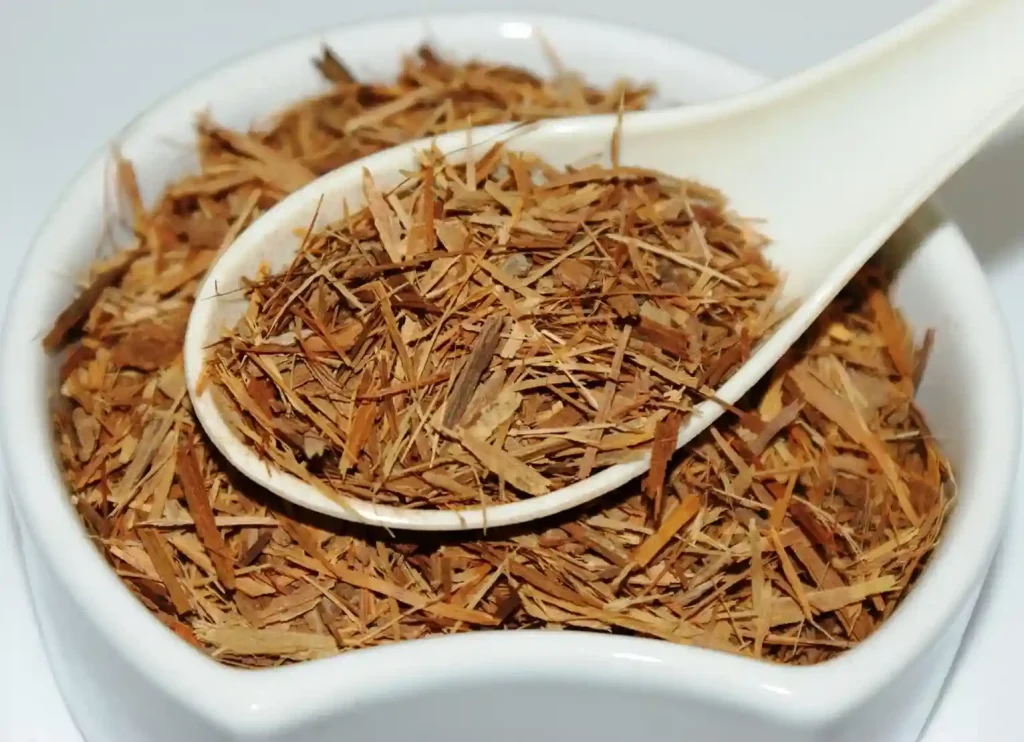
Catuaba bark generally refers to the bark of Trichilia catigua, a tree belonging to the Meliaceae family that grows throughout Brazil's tropical forests. Historically, the name “catuaba” has also been applied to several other Brazilian plant species, but Trichilia catigua is the primary source used in modern scientific studies and commercial supplements.
Traditional Brazilian herbal medicine has long used catuaba bark as a tonic for promoting physical stamina, mental alertness, and reproductive wellness. Indigenous communities typically prepared the bark as a tea or decoction for daily consumption.
Today, dietary supplements contain standardized catuaba bark extracts in capsules, powders, tablets, and liquid tinctures. It is commonly included in formulations designed to support vitality, cognitive performance, mood, and sexual wellness.
How Does Catuaba Bark Work?
Catuaba bark contains numerous naturally occurring phytochemicals, including flavonoids, tannins, catechins, alkaloids, and phenolic compounds that appear to contribute to its biological effects. Researchers believe these compounds act through multiple complementary mechanisms rather than a single active ingredient.
Laboratory studies suggest catuaba extract possesses antioxidant activity that may help protect cells against oxidative stress. Experimental research also indicates possible effects on neurotransmitter systems involved in mood, cognition, and nervous system function. Additionally, certain compounds have demonstrated anti-inflammatory and neuroprotective properties in laboratory models.
The absorption and metabolism of many catuaba constituents have not been fully characterized in humans. Consequently, while laboratory findings provide insight into potential mechanisms, additional clinical research is needed to determine how these effects translate into measurable health outcomes in people.
Potential Health Benefits of Catuaba Bark
May Support Sexual Wellness
Catuaba bark has traditionally been used to support sexual health and vitality. Preliminary research and centuries of traditional use suggest it may help maintain healthy sexual desire and overall reproductive wellness. However, current human clinical evidence remains limited, and additional well-designed studies are needed to confirm these traditional applications.
May Help Support Healthy Energy Levels
Traditional herbal practitioners have long regarded catuaba as a natural tonic for promoting stamina and reducing feelings of fatigue. Modern supplements often include the extract in energy-support formulations because research suggests its plant compounds may contribute to overall vitality without functioning as a stimulant.
May Support Cognitive Function
Experimental studies indicate that catuaba bark may help support healthy brain function by influencing neurotransmitter activity and protecting nerve cells from oxidative damage. Researchers continue investigating whether these laboratory findings may translate into improved memory, concentration, or mental performance in humans.
May Provide Antioxidant Protection
Catuaba contains several antioxidant compounds capable of neutralizing free radicals in laboratory studies. These antioxidants may help protect cells from oxidative stress associated with normal metabolism and aging. While promising, further clinical research is needed to determine the extent of these benefits in healthy individuals.
May Support Emotional Well-Being
Some laboratory studies suggest catuaba may influence neurotransmitter pathways involved in mood regulation. Preliminary evidence has generated interest in its potential role in supporting emotional wellness and resilience during everyday stress, although human research remains relatively limited.
May Support Overall Vitality
Catuaba bark is commonly included in traditional tonic formulations intended to promote general wellness. Its combination of antioxidant compounds and historical use has made it a popular ingredient in multi-herbal supplements designed to support overall vitality, although scientific evidence supporting this broad application continues to evolve.
Natural Food Sources
Catuaba bark is not naturally found in common foods. It is obtained exclusively from the bark of Brazilian trees used in traditional herbal medicine.
Natural sources include:
- Bark of Trichilia catigua
- Traditional catuaba herbal tea
- Decoctions prepared from dried bark
- Standardized botanical extracts used in supplements
Outside traditional preparations, most people consume catuaba through dietary supplements rather than foods.
Why Is It Included in Dietary Supplements?
Catuaba bark is widely included in botanical supplements because of its traditional reputation as a vitality-supporting herb and its diverse phytochemical profile. Manufacturers frequently combine it with other herbs that target similar areas of wellness.
Common supplement categories include:
- Men's health supplements
- Sexual wellness formulas
- Energy and vitality blends
- Cognitive support products
- Adaptogenic botanical combinations
Catuaba is often paired with ingredients such as muira puama, maca, tongkat ali, ginseng, ashwagandha, and damiana because these herbs are commonly formulated together to support physical vitality, mental performance, and overall wellness.
Safety and Possible Side Effects
Catuaba bark is generally considered well tolerated when consumed in amounts commonly found in dietary supplements. However, comprehensive long-term human safety studies remain limited.
Reported side effects appear to be uncommon but may include:
- Mild digestive discomfort
- Headache
- Restlessness in sensitive individuals
- Difficulty sleeping if consumed close to bedtime
There is currently no established recommended daily intake for catuaba bark. Supplement dosages vary according to extract concentration and formulation. Individuals should follow the dosage instructions provided by the manufacturer and avoid excessive intake unless directed by a qualified healthcare professional.
Precautions and Possible Interactions
Although documented interactions are limited, individuals taking prescription medications should consult a healthcare provider before using catuaba bark because clinical research remains incomplete.
People taking blood-thinning medications, medications affecting the nervous system, or drugs for blood pressure should exercise caution until more safety data become available. Individuals with chronic medical conditions should also seek medical advice before beginning supplementation.
Because adequate safety studies are lacking, catuaba bark is generally not recommended during pregnancy or breastfeeding. Healthcare professionals may also recommend discontinuing herbal supplements before scheduled surgery. Consulting a qualified healthcare provider is the safest approach before starting any new botanical supplement.
Current Scientific Research
Human Studies
Human clinical research on catuaba bark remains limited. Most available studies involve small participant groups or combination herbal products, making it difficult to isolate the specific effects of catuaba. Preliminary findings suggest possible support for sexual wellness and general vitality, but larger randomized controlled trials are necessary to confirm these observations.
Animal Studies
Animal and laboratory studies provide stronger evidence regarding catuaba's biological activity. Research has demonstrated antioxidant, neuroprotective, anti-inflammatory, and potential cognitive-supporting effects associated with its flavonoids and phenolic compounds. While these findings are encouraging, they cannot be directly applied to humans without further clinical validation.
Overall Evidence
Current scientific evidence supports the traditional use of catuaba bark as a promising botanical ingredient, particularly regarding antioxidant activity and nervous system support. However, most proposed health benefits remain supported primarily by laboratory studies and limited clinical research. Additional high-quality human trials using standardized extracts are needed to determine optimal dosages, long-term safety, and effectiveness across different populations.
Frequently Asked Questions
What is catuaba bark used for?
Catuaba bark is commonly used in dietary supplements formulated to support vitality, energy, cognitive wellness, and sexual health. Many of these uses are based on traditional Brazilian herbal medicine alongside emerging scientific research.
Is catuaba bark safe?
Current evidence suggests catuaba bark is generally well tolerated by healthy adults when used appropriately. However, long-term human safety studies remain limited, so individuals with medical conditions should consult a healthcare professional before supplementation.
Can catuaba bark be taken every day?
Many commercial supplements are intended for daily use according to manufacturer instructions. Since standardized dosage guidelines have not been firmly established, daily intake should follow product recommendations and professional medical advice when appropriate.
What foods naturally contain catuaba bark?
Catuaba bark is not naturally found in foods. It comes exclusively from the bark of Brazilian trees, particularly Trichilia catigua, and is traditionally consumed as herbal tea or standardized botanical extract.
Can catuaba bark be combined with other supplements?
Yes. Catuaba bark is frequently combined with herbs such as maca, muira puama, ginseng, tongkat ali, and ashwagandha in dietary supplements. Individuals taking medications or multiple supplements should consult a qualified healthcare professional before combining products.