

Difficulty relaxing at night, restless sleep, muscle tension, and low energy can make everyday life more challenging....
Sleep Aids
Getting enough quality sleep is an important part of maintaining physical health, mental focus, and emotional well-being. Sleep Aids are wellness products commonly used by individuals who experience occasional difficulty falling asleep, staying asleep, or maintaining a consistent sleep routine. Many of these products are designed to complement healthy sleep habits rather than replace them. Learning about sleep health can help people better understand the role of adequate rest in overall wellness.
Many Sleep Aids products are formulated to support relaxation before bedtime and promote a more balanced sleep routine. Depending on the formulation, they may contain ingredients such as melatonin, magnesium, L-theanine, valerian root, chamomile, lemon balm, passionflower, or other botanical extracts commonly associated with relaxation. The body’s natural circadian rhythm also plays a significant role in regulating normal sleep and wake cycles.
People with busy schedules, frequent travel, shift work, temporary stress, or occasional sleep disruptions often choose Sleep Aids that match their personal preferences and wellness goals. Products are available in many forms, including capsules, gummies, powders, tablets, herbal teas, sprays, liquids, and dissolvable tablets. Current evidence suggests that ingredients such as melatonin may help support normal sleep onset in certain situations, while other nutrients and herbs are commonly included to encourage relaxation.
Selecting the right Sleep Aids product depends on individual needs, ingredient preferences, lifestyle, and overall wellness objectives. Reading product labels, understanding ingredient profiles, and choosing quality formulations can help consumers make informed decisions. Ongoing research into sleep disorders continues to improve our understanding of nutritional approaches to healthy sleep. A growing body of sleep research also provides valuable insights into ingredients commonly used in sleep-support products. Choosing products that align with personal wellness goals and healthy lifestyle habits may help support better long-term sleep quality.

Difficulty falling asleep, frequent nighttime waking, and waking up feeling unrested can make everyday routines more challenging....
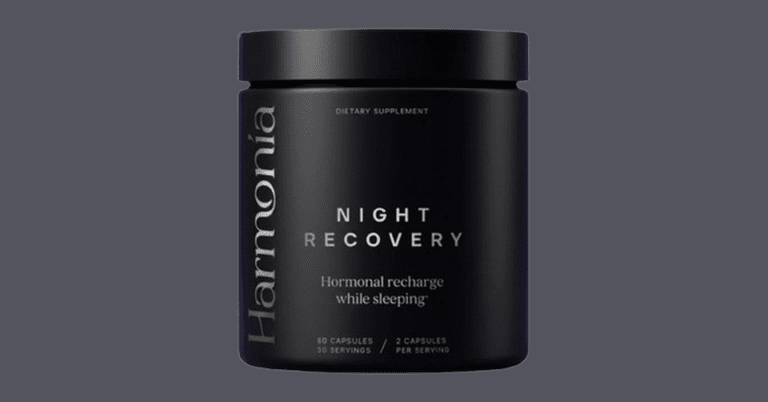
Poor sleep, elevated stress, nighttime cravings, stubborn weight gain, and low daytime energy are common concerns that...
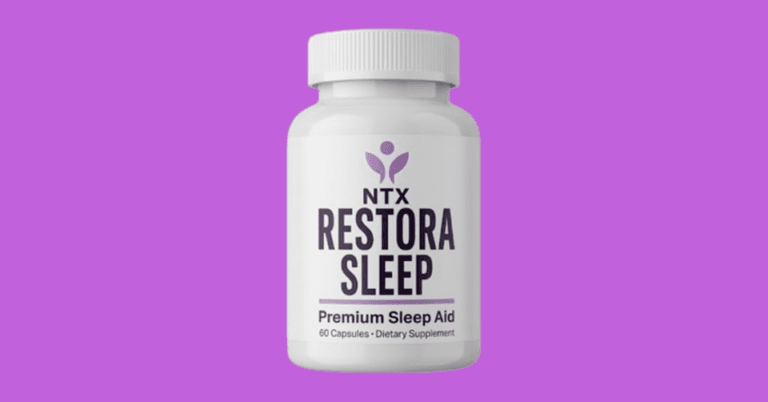
Sleep problems can gradually affect far more than bedtime, often disrupting energy, focus, mood stability, and overall...

Sleep problems can quietly affect nearly every part of daily life, from reduced focus during the day...
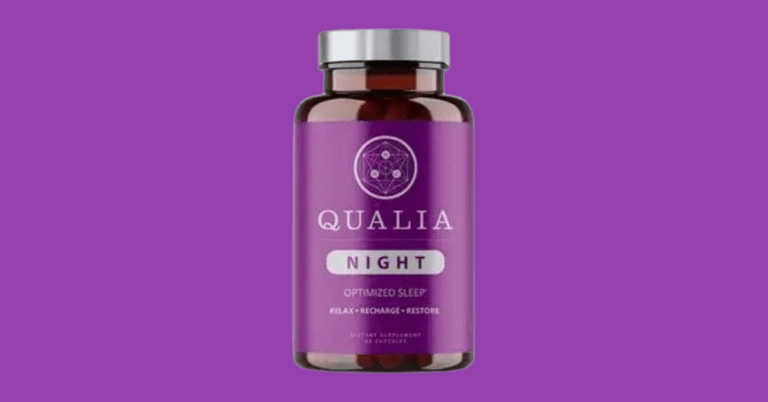
Struggling with restless nights, racing thoughts, frequent waking, and the exhausting cycle of poor sleep that drains...
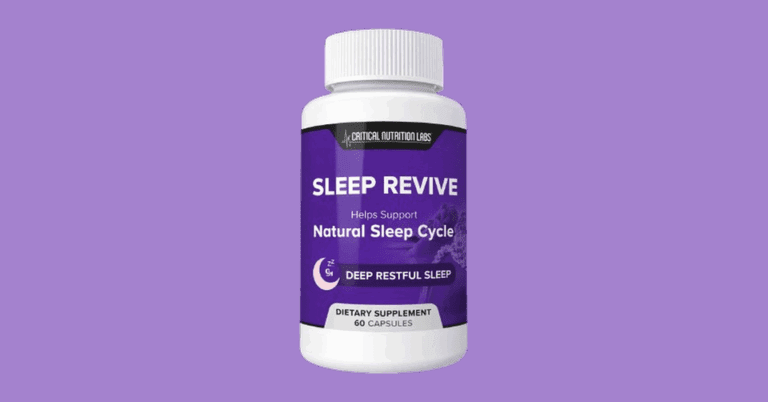
Struggling with sleepless nights, chronic fatigue from poor rest, and mental fog can drain productivity and emotional...
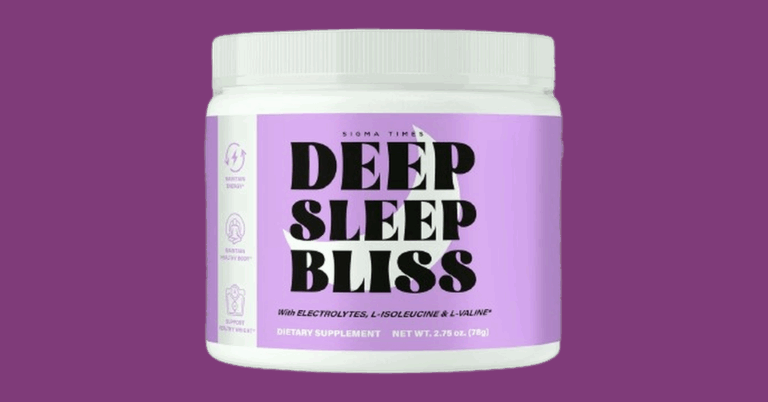
Are sleepless nights leaving you groggy, irritable, and unable to perform at your best? You’re not alone,...

Are you struggling to get a good night’s sleep despite trying countless remedies? You are not alone,...

Are you struggling with restless nights and counting sheep until dawn? You’re not alone, and neither was...