
Introduction
Ashwagandha is one of the most extensively researched medicinal herbs in traditional Ayurvedic medicine and has gained worldwide popularity as a dietary supplement for supporting stress resilience, cognitive function, physical performance, and overall well-being. Derived from the roots of Withania somnifera, this adaptogenic plant has been used for more than 3,000 years to promote vitality and healthy aging. Today, standardized ashwagandha extracts are widely included in supplements formulated for stress management, sleep support, athletic recovery, and cognitive health. Modern scientific research has investigated its unique bioactive compounds, particularly withanolides, which may influence multiple biological pathways. Although many traditional uses are supported by growing clinical evidence, research continues to clarify optimal dosages, long-term safety, and the full range of potential health benefits.
What Is Ashwagandha?
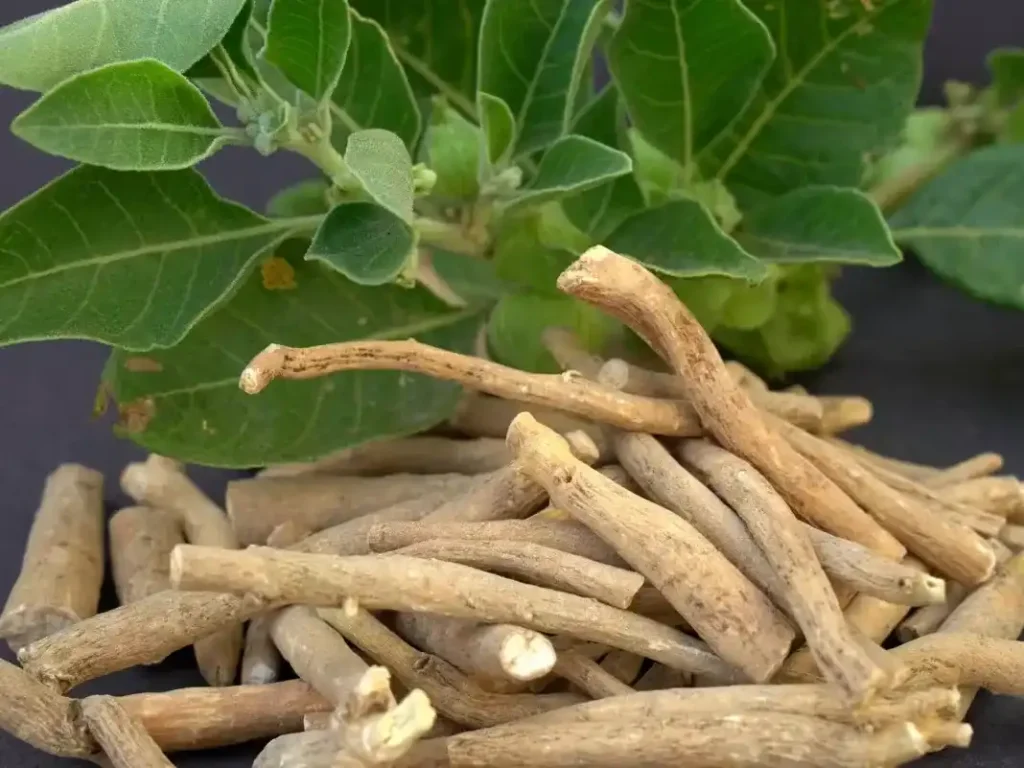
Ashwagandha (Withania somnifera), sometimes called Indian ginseng or winter cherry, is a small evergreen shrub belonging to the Solanaceae family. It is native to India, the Middle East, and parts of Africa, where it has long been cultivated for its medicinal properties.
In Ayurveda, ashwagandha has traditionally been classified as a “Rasayana,” meaning a rejuvenating herb believed to support longevity, vitality, and resilience. Historically, the root has been prepared as powders, teas, and herbal pastes to help maintain physical strength, mental clarity, and overall wellness.
Modern dietary supplements typically use standardized root extracts, although some products contain both root and leaf extracts. Ashwagandha is available in capsules, tablets, powders, gummies, and liquid extracts and is commonly included in formulations targeting stress support, cognitive performance, sleep quality, athletic recovery, and healthy aging.
How Does Ashwagandha Work?
Ashwagandha contains numerous biologically active compounds, including withanolides, sitoindosides, alkaloids, flavonoids, and steroidal lactones. Among these, withanolides are considered the primary compounds responsible for many of the herb's biological effects.
Research suggests ashwagandha may help regulate the body's stress response by influencing the hypothalamic-pituitary-adrenal (HPA) axis, which controls cortisol production. Clinical studies also indicate that it may support healthy neurotransmitter activity, including gamma-aminobutyric acid (GABA) signaling, which plays a role in relaxation and emotional balance. Additionally, its antioxidant properties may help protect cells from oxidative stress while supporting healthy immune and nervous system function.
After oral consumption, ashwagandha's active compounds are absorbed through the digestive system and metabolized in the liver. Current evidence suggests its benefits result from multiple complementary mechanisms rather than a single biological target.
Potential Health Benefits of Ashwagandha
May Help Manage Everyday Stress
Ashwagandha is best known for its adaptogenic properties. Multiple randomized controlled trials suggest standardized ashwagandha extracts may help support the body's response to everyday physical and psychological stress by promoting healthy cortisol levels already within the normal range. These effects have made it one of the most extensively studied herbs for stress management.
May Support Healthy Sleep Quality
Several human studies suggest ashwagandha supplementation may help support restful sleep and improve overall sleep quality, particularly in individuals experiencing occasional stress-related sleep disturbances. Researchers believe these effects are partly related to its influence on the body's stress response and neurotransmitter activity.
May Support Cognitive Function
Research indicates that ashwagandha may help support memory, attention, and executive function in healthy adults. Laboratory studies suggest antioxidant and neuroprotective properties may contribute to maintaining healthy brain function, while human trials have reported improvements in certain cognitive performance measures.
May Support Physical Performance
Clinical studies have investigated ashwagandha's effects on exercise performance, muscle strength, and recovery. Research suggests supplementation may help support resistance training adaptations, muscular endurance, and recovery following physical activity. These findings have contributed to its popularity among recreational and competitive athletes.
May Support Healthy Immune Function
Ashwagandha has been studied for its immunomodulatory properties. Laboratory and human research suggests it may help support normal immune system function by influencing immune cell activity and helping maintain balanced inflammatory responses. Additional research continues to evaluate these potential benefits.
May Provide Antioxidant Support
Ashwagandha naturally contains antioxidant compounds that help neutralize free radicals produced during normal metabolism. Research suggests these compounds may support cellular health by protecting tissues from oxidative stress, contributing to overall wellness and healthy aging.
Natural Food Sources
Ashwagandha is not naturally found in common foods. It is obtained exclusively from the Withania somnifera plant.
Natural sources include:
- Ashwagandha root
- Dried root powder
- Traditional herbal teas
- Standardized root extracts
- Root-and-leaf extract formulations
Most dietary supplements use concentrated root extracts because they provide consistent levels of withanolides.
Why Is It Included in Dietary Supplements?
Ashwagandha is one of the most widely used adaptogenic herbs because of its extensive history of traditional use and growing body of clinical research. It is commonly included in formulations designed to support stress resilience, sleep, cognitive health, athletic performance, and overall vitality.
Common supplement categories include:
- Stress support supplements
- Sleep support formulas
- Adaptogenic blends
- Cognitive health products
- Sports nutrition supplements
- Healthy aging formulations
Ashwagandha is frequently combined with ingredients such as rhodiola, magnesium, L-theanine, maca, ginseng, turmeric, and B vitamins because these nutrients and botanicals are commonly formulated together to support stress resilience, energy metabolism, and cognitive wellness.
Safety and Possible Side Effects
Ashwagandha is generally considered safe for most healthy adults when used in recommended amounts. Numerous clinical studies have reported good tolerability, although mild side effects may occur in some individuals.
Potential side effects include:
- Mild stomach upset
- Nausea
- Diarrhea
- Drowsiness
- Headache
Clinical studies have commonly used standardized extract doses ranging from 240 to 600 mg daily, although appropriate dosage depends on the extract concentration and intended use. Individuals should follow product instructions and consult a qualified healthcare professional before exceeding recommended serving sizes. Rare cases of liver injury have been reported with certain ashwagandha products, although a direct causal relationship has not been established for all products.
Precautions and Possible Interactions
Individuals taking prescription medications should consult a healthcare professional before using ashwagandha because the herb may interact with certain medications or medical conditions.
Ashwagandha may require caution in people taking sedatives, thyroid medications, blood pressure medications, diabetes medications, or immunosuppressive drugs. Because it may influence immune activity, individuals with autoimmune disorders should seek individualized medical guidance before supplementation.
The safety of ashwagandha during pregnancy has not been established, and its use is generally not recommended. There is also insufficient evidence regarding safety during breastfeeding. Individuals scheduled for surgery should inform their healthcare providers, as discontinuation before surgery may be advised.
Current Scientific Research
Human Studies
Ashwagandha has been evaluated in numerous randomized controlled trials investigating stress, anxiety, sleep quality, cognitive function, exercise performance, and metabolic health. Many studies have demonstrated improvements in perceived stress, sleep quality, physical performance, and certain cognitive outcomes following supplementation with standardized extracts. Although results are encouraging, researchers continue studying optimal dosing strategies and long-term safety across different populations.
Animal Studies
Animal and laboratory research has demonstrated antioxidant, anti-inflammatory, neuroprotective, immunomodulatory, and adaptogenic effects associated with withanolides and other phytochemicals found in ashwagandha. Experimental findings have helped explain several biological mechanisms observed in human studies, although laboratory results cannot be directly generalized to clinical outcomes.
Overall Evidence
Ashwagandha is among the best-studied herbal supplements currently available. Compared with many botanical ingredients, the clinical evidence supporting stress management, sleep support, and physical performance is relatively strong. However, additional long-term randomized controlled trials are needed to better understand optimal dosing, product standardization, and effectiveness in diverse populations. Overall, current research supports ashwagandha as a promising evidence-based botanical when used appropriately.
Frequently Asked Questions
What is ashwagandha used for?
Ashwagandha is commonly used to support stress resilience, sleep quality, cognitive function, physical performance, and overall well-being. Many of these applications are supported by both traditional Ayurvedic use and modern clinical research.
Is ashwagandha safe?
Current evidence suggests ashwagandha is generally well tolerated when used according to recommended dosages. Mild digestive symptoms and drowsiness are the most commonly reported side effects, while serious adverse events appear to be uncommon.
Can ashwagandha be taken every day?
Many clinical studies have evaluated daily ashwagandha supplementation for periods ranging from several weeks to several months. Daily use is generally considered appropriate when following manufacturer recommendations or guidance from a healthcare professional.
What foods naturally contain ashwagandha?
Ashwagandha is not naturally present in everyday foods. It is obtained exclusively from the roots and, in some products, the leaves of the Withania somnifera plant.
Can ashwagandha be combined with other supplements?
Yes. Ashwagandha is frequently combined with adaptogens, vitamins, minerals, amino acids, and other botanical ingredients in dietary supplements. Individuals taking prescription medications or multiple supplements should consult a qualified healthcare professional before combining products.