
Introduction
Maca extract is a botanical ingredient derived from the root of Lepidium meyenii, a hardy plant that grows high in the Andes Mountains of Peru. For centuries, maca has been valued as both a nutritious food and a traditional herbal remedy, particularly for supporting stamina, fertility, and overall vitality. Today, concentrated maca extracts are widely used in dietary supplements aimed at promoting energy, physical performance, mood, and sexual wellness. Modern scientific interest has grown because maca contains unique plant compounds that may influence several physiological processes without acting as a hormone. While many of its traditional uses are supported by emerging research, scientists continue to investigate its full range of health effects through clinical and laboratory studies. This guide reviews what current evidence says about maca extract, its potential benefits, safety, and appropriate use.
What Is Maca Extract?
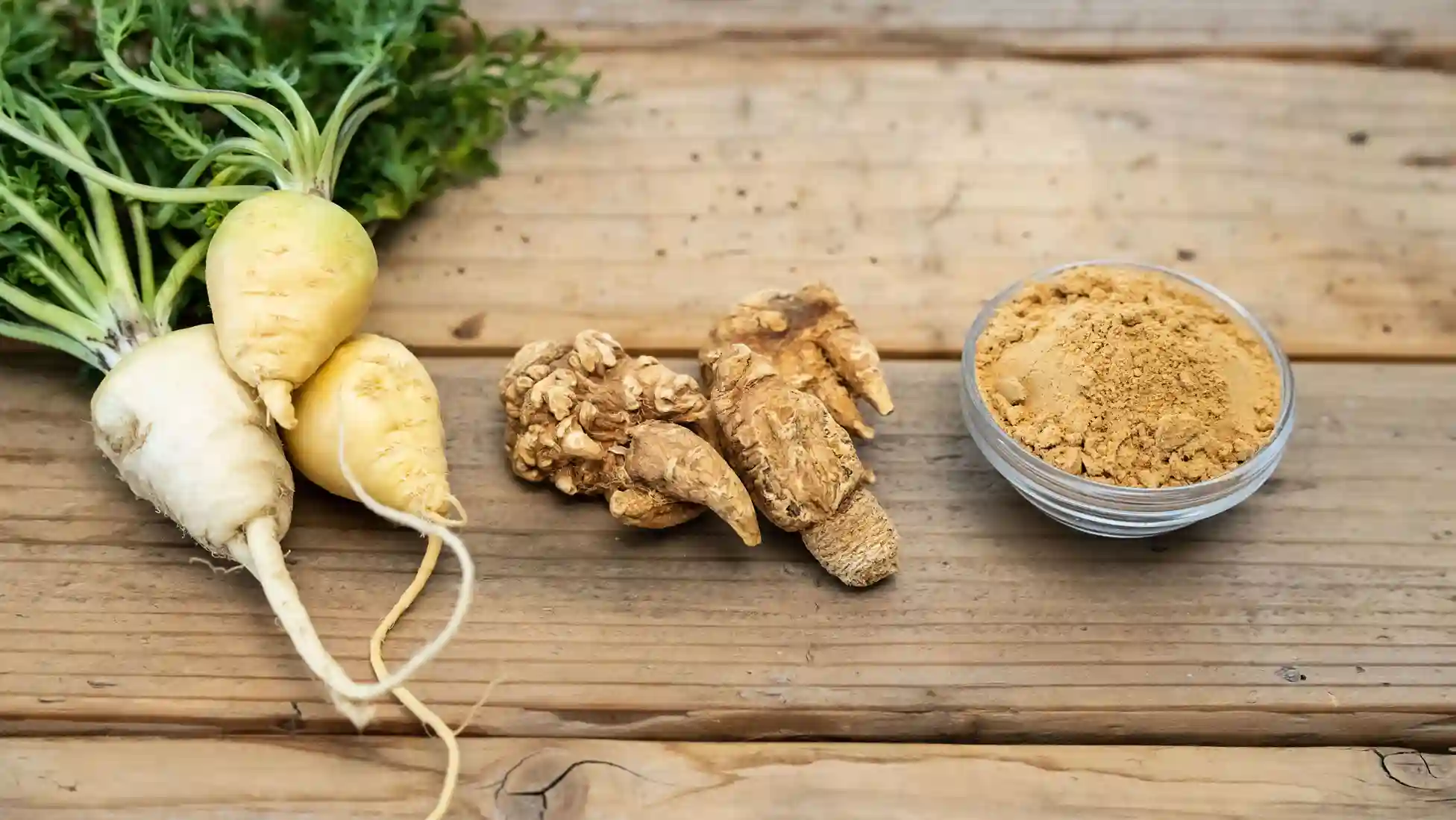
Maca, scientifically known as Lepidium meyenii Walp. (also referred to as Lepidium peruvianum in some literature), is a cruciferous plant belonging to the Brassicaceae family. It is native to the Peruvian Andes, where it has been cultivated at elevations above 4,000 meters for more than 2,000 years.
Traditionally, maca root was consumed as a food after cooking or drying and was also used to support endurance, reproductive health, and resilience in challenging environmental conditions. Indigenous communities regarded maca as a valuable nutritional crop due to its ability to thrive in harsh climates.
Modern dietary supplements typically use concentrated extracts made from dried maca root. These extracts are available in capsules, powders, tablets, and liquid formulations, often standardized to provide consistent levels of bioactive compounds. Maca is commonly included in supplements designed to support energy, hormonal balance, athletic performance, and sexual wellness.
How Does Maca Extract Work?
Unlike many botanical ingredients associated with hormone health, maca does not appear to directly increase estrogen or testosterone levels. Instead, researchers believe its effects result from naturally occurring compounds such as macamides, macaenes, glucosinolates, flavonoids, sterols, and polyphenols, which may influence several biological pathways.
Research suggests maca may support the body's stress response by interacting with the hypothalamic-pituitary axis while also promoting healthy neurotransmitter activity related to mood, motivation, and cognitive function. Its antioxidant compounds may help reduce oxidative stress, while its nutrient profile contributes to overall cellular function.
After consumption, maca's bioactive compounds are absorbed through the digestive system and metabolized in the liver. Although scientists continue studying its exact mechanisms, current evidence indicates maca works through multiple complementary pathways rather than acting as a single-target botanical.
Potential Health Benefits of Maca Extract
May Support Healthy Energy and Stamina
Maca has traditionally been consumed to promote endurance and physical resilience. Several human studies suggest supplementation may help support perceived energy levels and reduce feelings of fatigue during everyday activities. Unlike stimulant ingredients, maca appears to support vitality without directly affecting the central nervous system.
May Support Sexual Wellness
One of the most extensively studied applications of maca involves sexual health. Clinical research suggests maca may help support healthy sexual desire in both men and women after several weeks of consistent use. Current evidence indicates these effects occur without significantly altering circulating sex hormone levels.
May Help Maintain Healthy Reproductive Function
Research has explored maca's potential role in supporting reproductive wellness, particularly in men. Some studies suggest maca may help maintain healthy sperm concentration and motility, although results remain mixed and additional large-scale clinical trials are needed before firm conclusions can be drawn.
May Support Mood and Emotional Well-Being
Preliminary clinical studies suggest maca supplementation may help support positive mood and emotional wellness, particularly among individuals experiencing age-related hormonal changes. Researchers believe these effects may involve interactions with neurotransmitter pathways and antioxidant activity rather than direct hormonal changes.
May Support Cognitive Performance
Animal and laboratory studies suggest maca may help support learning, memory, and mental performance through antioxidant and neuroprotective mechanisms. Although human evidence remains limited, researchers continue investigating whether these findings translate into meaningful cognitive benefits in healthy adults.
May Provide Antioxidant Support
Maca naturally contains polyphenols and other antioxidant compounds that help neutralize free radicals generated during normal metabolism. Research suggests these phytochemicals may support cellular health by helping protect tissues from oxidative stress, an important component of overall healthy aging.
Natural Food Sources
Maca naturally occurs only in the root of the Lepidium meyenii plant grown in the Peruvian Andes.
Natural dietary sources include:
- Fresh maca root
- Dried maca root
- Gelatinized maca powder
- Traditional cooked maca preparations
- Roasted or baked maca root products
Outside its native region, maca is most commonly consumed as dried powder or standardized extract rather than as a fresh vegetable.
Why Is It Included in Dietary Supplements?
Maca extract is widely used in dietary supplements because of its long history as a traditional adaptogenic food and its broad nutritional profile. It is commonly included in formulations designed to support vitality, reproductive health, mood, and physical performance.
Common supplement categories include:
- Energy and endurance supplements
- Men's health formulas
- Women's wellness supplements
- Fertility support blends
- Sports nutrition products
- Adaptogenic botanical combinations
Maca is frequently paired with ingredients such as ashwagandha, tongkat ali, ginseng, fenugreek, zinc, L-arginine, and tribulus because these ingredients are commonly formulated together to support energy, reproductive wellness, and overall vitality.
Safety and Possible Side Effects
Maca is generally considered safe for most healthy adults when consumed in amounts commonly found in foods and dietary supplements. Human studies have reported good tolerability, with relatively few adverse effects.
When side effects occur, they are usually mild and may include:
- Mild digestive discomfort
- Bloating
- Headache
- Difficulty sleeping if taken late in the day
Clinical studies have used a wide range of doses, commonly between 1.5 and 3 grams of dried maca daily, although standardized extract doses vary by product. Individuals should follow the manufacturer's recommendations and consult a healthcare professional if unsure about appropriate intake.
Precautions and Possible Interactions
Although maca has demonstrated a favorable safety profile, certain individuals should exercise caution. Because research regarding medication interactions remains limited, people taking prescription medications should discuss maca supplementation with their healthcare provider before use.
Individuals with hormone-sensitive medical conditions should also seek medical guidance, even though current evidence suggests maca does not significantly alter circulating hormone levels. Those using diabetes medications should monitor blood sugar under professional supervision because nutritional supplements may influence metabolic responses.
The safety of maca during pregnancy and breastfeeding has not been established through sufficient clinical research. People preparing for surgery or managing chronic medical conditions should consult a qualified healthcare professional before beginning supplementation.
Current Scientific Research
Human Studies
Numerous clinical studies have evaluated maca for sexual wellness, mood, fertility, and quality of life. Several randomized controlled trials suggest maca may support sexual desire, perceived energy, and emotional well-being after consistent supplementation. Research examining reproductive outcomes has produced encouraging but sometimes inconsistent findings, highlighting the need for additional standardized clinical trials.
Animal Studies
Animal and laboratory studies have demonstrated antioxidant, neuroprotective, reproductive, and metabolic effects associated with maca's bioactive compounds. Experimental models suggest improvements in learning, memory, oxidative stress markers, and reproductive parameters, although these findings cannot be directly applied to humans without further clinical confirmation.
Overall Evidence
Current evidence supporting maca is stronger than for many traditional herbal ingredients, particularly regarding sexual wellness and general vitality. Nevertheless, many studies involve relatively small sample sizes and varying extract preparations. Larger randomized controlled trials using standardized products are needed to establish optimal dosages, long-term safety, and effectiveness across different populations. Overall, the available research supports maca as a promising botanical with several evidence-based applications while recognizing the need for continued investigation.
Frequently Asked Questions
What is maca extract used for?
Maca extract is commonly used to support energy, stamina, sexual wellness, mood, and reproductive health. It is also included in many adaptogenic and sports nutrition supplements because of its long history of traditional use and growing scientific evidence.
Is maca extract safe?
Current research indicates maca is generally well tolerated by healthy adults when used appropriately. Most reported side effects are mild, although individuals with existing medical conditions or those taking medications should consult a healthcare professional before supplementation.
Can maca extract be taken every day?
Many clinical studies have evaluated daily maca supplementation for several weeks or months. Daily use is generally considered appropriate when following manufacturer recommendations or guidance from a qualified healthcare provider.
What foods naturally contain maca?
Maca is naturally found only in the root of the Lepidium meyenii plant. It is traditionally eaten cooked, dried, roasted, or prepared as a powder, and it is not naturally present in other common foods.
Can maca extract be combined with other supplements?
Yes. Maca is frequently combined with adaptogens, amino acids, vitamins, and minerals in dietary supplements. Individuals using multiple supplements or prescription medications should consult a qualified healthcare professional to ensure the combination is appropriate.