
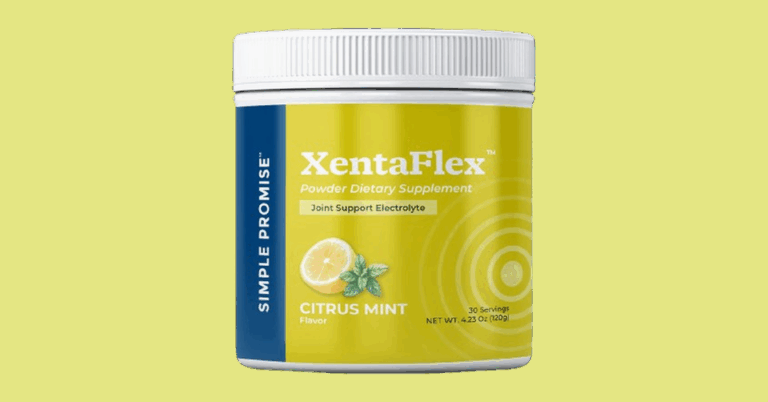
Experiencing persistent joint pain, stiffness, or reduced mobility that’s limiting your daily activities and quality of life?...
Joint Pain Relief
Joint pain is a common concern that may affect mobility, flexibility, and overall quality of life as people age or maintain active lifestyles. It can be associated with everyday wear and tear, overuse, or musculoskeletal conditions that influence how comfortably joints move during daily activities. Learning about joint health and adopting supportive lifestyle habits are often important first steps toward maintaining long-term mobility. Osteoarthritis is one of the most common causes of chronic joint discomfort. Regular physical activity is also widely recognized as an important part of supporting healthy joints and maintaining function.
Joint Pain Relief products are developed to support joint comfort, flexibility, and everyday movement as part of an overall wellness routine. This category commonly includes dietary supplements, topical creams, gels, patches, collagen powders, and formulations containing glucosamine, chondroitin, turmeric, boswellia, MSM, collagen peptides, hyaluronic acid, omega-3 fatty acids, vitamins, and minerals. These ingredients are frequently chosen because they may help support healthy cartilage, connective tissues, and normal joint function when combined with healthy lifestyle habits. Ongoing research continues to evaluate the role of glucosamine in joint wellness. Maintaining an active lifestyle through arthritis exercise may also contribute to better mobility and flexibility over time.
Choosing the right Joint Pain Relief product depends on individual health goals, activity level, dietary preferences, and ingredient needs. Reading labels carefully and selecting products with transparent formulations can help consumers identify options that best fit their lifestyle. Whether seeking nutritional supplements or topical support, this category offers a variety of choices that may complement a balanced wellness routine. Long-term joint wellness is often supported through consistent healthy habits together with carefully selected products and self-management strategies. Continued interest in joint health research also helps expand understanding of nutritional approaches for maintaining mobility.

Do you often experience stiff joints, reduced flexibility, or post-workout discomfort that affects your active lifestyle? You’re...

Are you tired of dealing with persistent joint pain that limits your daily activities and affects your...
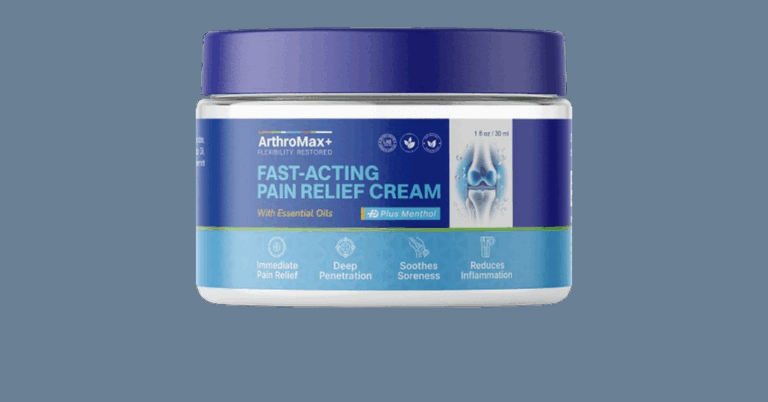
Are you tired of waking up with stiff, aching joints that make even simple daily tasks feel...

Are you tired of joint pain limiting your daily activities and reducing your quality of life? You’re...

Are you tired of living with constant stiffness, sore joints, or the frustration of limited mobility? You’re...
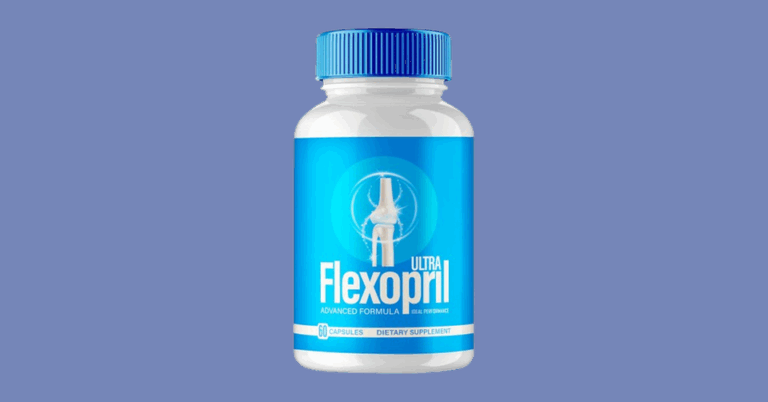
Are you struggling with chronic joint pain, stiffness, or mobility issues that prevent you from enjoying life...

Are you tired of waking up with stiff, aching joints that prevent you from enjoying daily activities?...

Chronic pain can take over your life, making simple tasks like getting out of bed or walking...
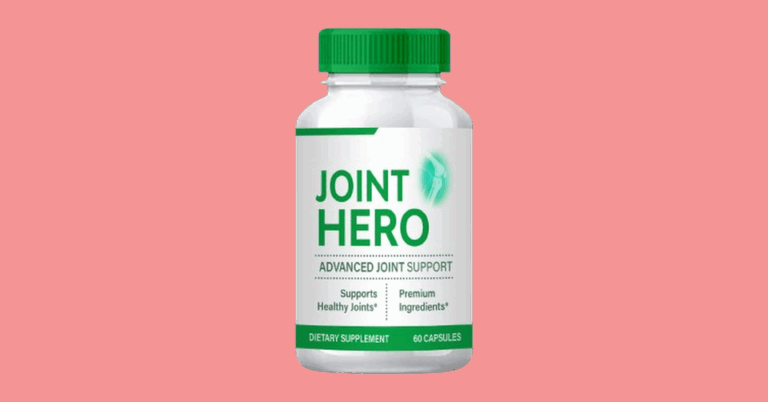
Joint discomfort, stiffness, reduced flexibility, and daily mobility strain can quietly affect many parts of a person’s...