
What goes into a supplement can matter just as much as the product itself. At SupplementMag, our Ingredient Guide takes a closer look at the vitamins, minerals, herbs, botanical extracts, amino acids, probiotics, and other compounds commonly found in dietary supplements.
Each guide breaks down an ingredient’s purpose, how it may work in the body, potential benefits, typical dosage ranges, possible side effects, and what current research says about its use. We aim to separate established evidence from claims that still need stronger scientific support.
Use this library to research ingredients you have seen on a supplement label, compare unfamiliar compounds, or simply better understand what different ingredients are used for. Browse the ingredient directory below or search for a specific ingredient to get started.

Cinnamon Bark
Cinnamon bark is a widely recognized spice derived from the inner bark of several tree species from the genus Cinnamomum. It has been valued for thousands of years not only for its culinary applications but also for its traditional medicinal properties.
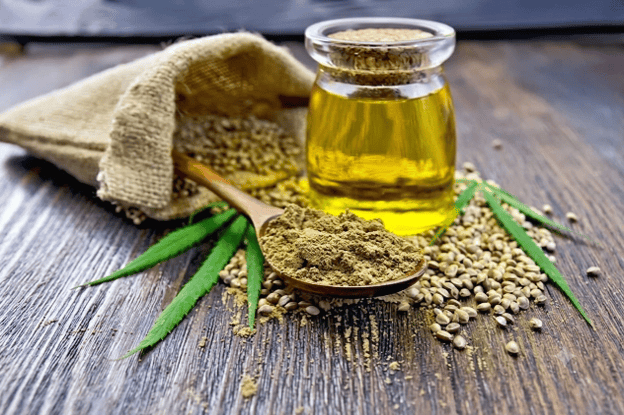
Hemp Seed Oil
Hemp seed oil is a plant-derived oil made by cold-pressing the seeds of the hemp plant, a variety of Cannabis sativa grown for industrial and nutritional uses rather than intoxicating effects. It is popular in supplements because it provides a natural source of essential fatty acids, vitamin E, and other lipid compounds that fit well into wellness-focused formulas.
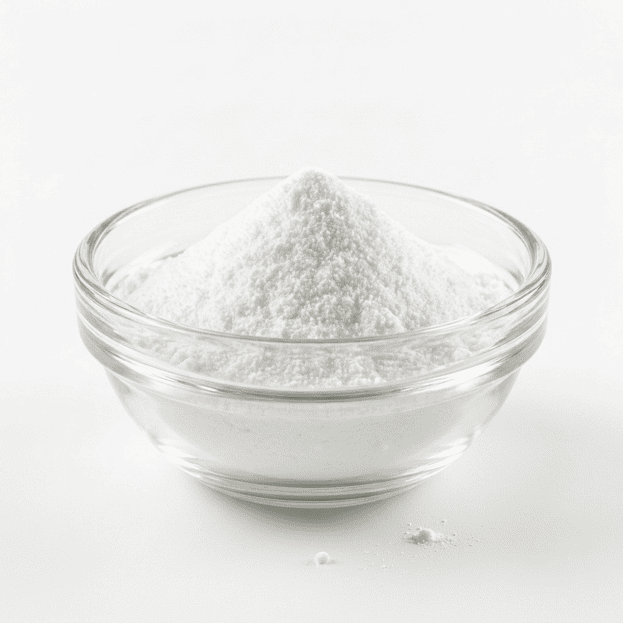
CBD Isolate
CBD isolate is a highly purified form of cannabidiol, a non-intoxicating compound found in hemp. It is popular because it delivers CBD without THC, plant taste, or other hemp compounds, making it a simple option for people who want a precise, THC-free ingredient in their routine. CBD isolate usually comes from industrial hemp and is processed until only cannabidiol remains, often in crystalline or powder form.
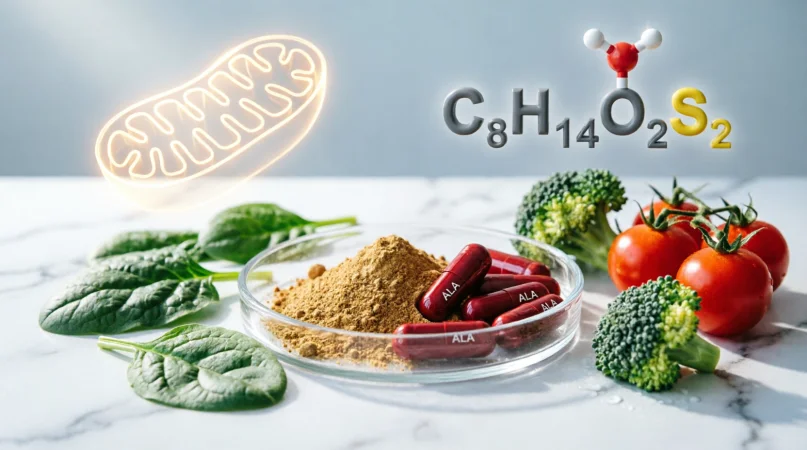
Alpha Lipoic Acid
Alpha lipoic acid (ALA) is a naturally occurring antioxidant that plays an important role in cellular energy production and supports the body’s antioxidant defenses. It is both water- and fat-soluble, allowing it to function throughout different parts of the body. ALA is commonly used in dietary supplements because of its potential to support healthy blood sugar metabolism, nerve function, energy production, and overall cellular health. It is naturally produced in small amounts by the body and is also found in foods such as spinach, broccoli, tomatoes, and organ meats.
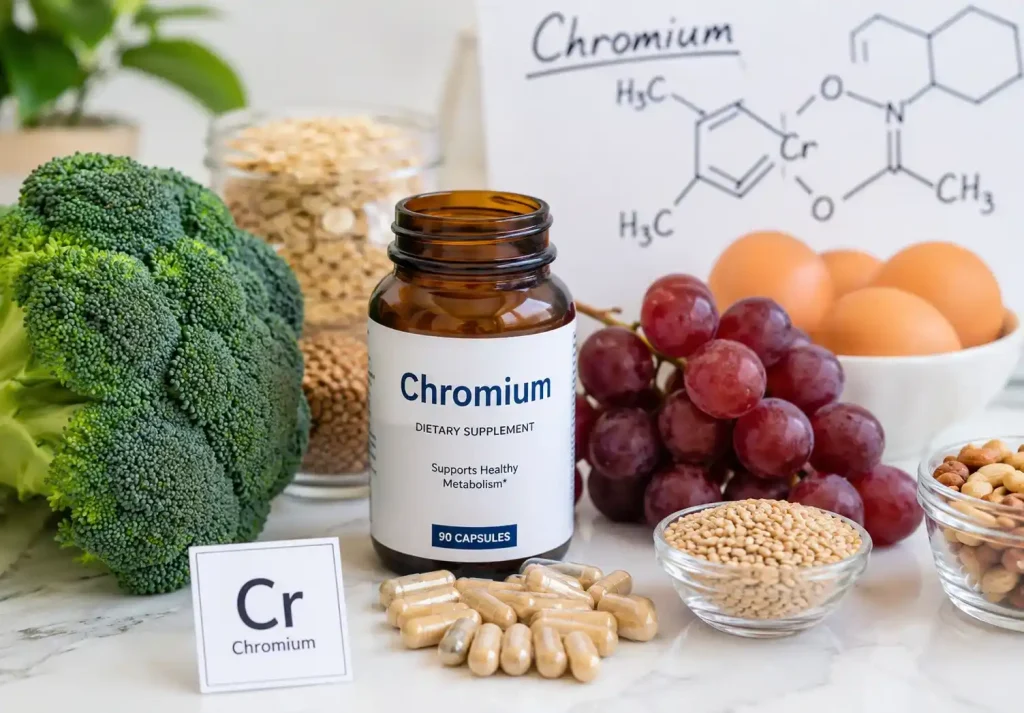
Chromium
Chromium is an essential trace mineral that supports normal carbohydrate, fat, and protein metabolism, particularly by helping maintain healthy insulin function and glucose utilization. It is naturally found in foods such as whole grains, broccoli, potatoes, meats, seafood, and eggs, and is also available in supplements in forms such as chromium picolinate. Chromium is commonly included in metabolic health and blood sugar support formulas, although research suggests its benefits may vary depending on an individual’s nutritional status and overall health.

Cinnamon bark
Cinnamon bark is a natural botanical ingredient derived from the inner bark of trees in the Cinnamomum genus, commonly used as both a culinary spice and dietary supplement. It contains naturally occurring compounds such as cinnamaldehyde and polyphenols that provide antioxidant properties and have been studied for their potential role in supporting healthy blood sugar metabolism, cardiovascular wellness, and digestive function. Cinnamon bark is available as ground powder, capsules, tablets, and extracts, with Ceylon and Cassia cinnamon being the most commonly used varieties.

Bitter Melon
Bitter melon is a tropical fruit traditionally used as both a food and herbal ingredient, recognized for its distinctive bitter taste and naturally occurring bioactive compounds. It contains compounds such as charantin, polypeptide-p, flavonoids, and phenolic antioxidants that have been studied for their potential role in supporting healthy blood sugar metabolism, antioxidant defenses, and overall metabolic wellness. Bitter melon is commonly available in dietary supplements as capsules, powders, teas, and standardized extracts, often combined with other ingredients intended to support metabolic health.

Maca Extract
Maca extract is a botanical ingredient derived from the root of Lepidium meyenii, traditionally used in the Peruvian Andes for stamina, vitality, and reproductive wellness. It contains naturally occurring compounds such as macamides, macaenes, glucosinolates, flavonoids, sterols, and polyphenols that may support energy, sexual wellness, mood, reproductive health, and antioxidant defenses. Maca is commonly available in dietary supplements as capsules, powders, tablets, and liquid extracts, often combined with other ingredients to support energy, performance, and overall vitality.

Ashwagandha
Ashwagandha is an adaptogenic herb derived from the roots of Withania somnifera, traditionally used in Ayurvedic medicine to support vitality, resilience, and overall well-being. It contains bioactive compounds such as withanolides, sitoindosides, alkaloids, flavonoids, and steroidal lactones that may support stress management, sleep quality, cognitive function, physical performance, immune function, and antioxidant defenses. Ashwagandha is commonly available in dietary supplements as capsules, tablets, powders, gummies, and liquid extracts, often combined with other ingredients to support stress resilience, energy, and cognitive wellness.
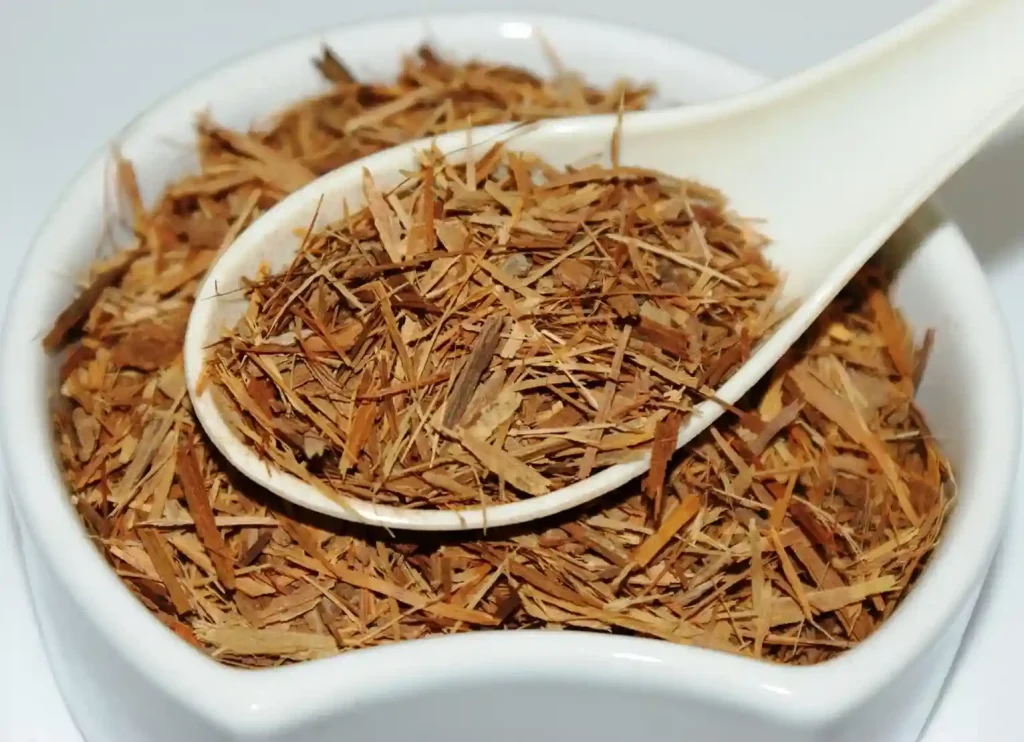
Catuaba Bark
Catuaba bark is a traditional herbal ingredient derived from Brazilian trees, particularly Trichilia catigua, and has been used to support vitality, energy, cognitive function, and sexual wellness. It contains naturally occurring compounds such as flavonoids, tannins, catechins, alkaloids, and phenolic compounds that may contribute to antioxidant, neuroprotective, and mood-supporting effects. Catuaba bark is commonly available in dietary supplements as capsules, powders, tablets, and liquid tinctures, often combined with other botanical ingredients to support physical vitality, mental performance, and overall wellness.